
Interior Painting Cost Factors You Should Know Before Hiring Painters
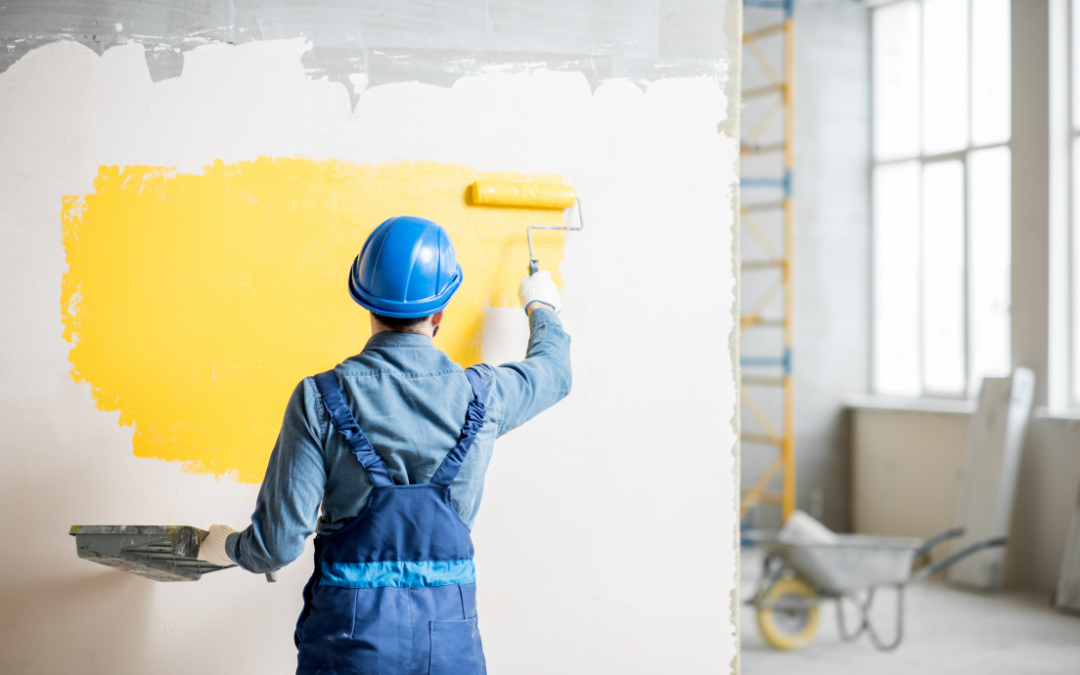
How Do Interior Painting Cost Factors Influence the Total Cost of Your Project?
Updating the inside of your home with a fresh coat of paint can change everything. A room that felt boring can suddenly feel bright, cozy, or modern. It is one of the easiest ways to give your house a new look without the stress of a massive renovation.
If you are a homeowner thinking about changing your wall colors, you probably have questions about the price. The truth is that the cost of painting can change quite a bit based on a few specific things. Before you go out and buy gallons of paint or call up a crew, it helps to understand what goes into the final bill. Here is a breakdown of what usually impacts the price of an interior painting project.
What Makes the Price Change?
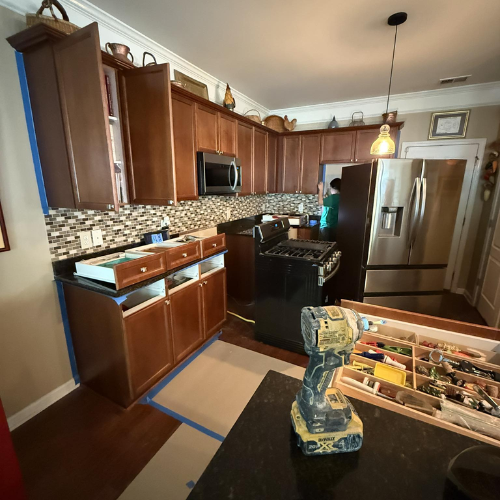
It is not just about the cost of the paint cans. Small details in your home can make the job faster or much more difficult.
- Room Layout: Simple, square rooms with flat walls are quick to finish. If a room has built-in shelves, lots of windows, or decorative wood panels, it takes much more time and focus.
- Ceiling Height: Normal ceilings are easy to reach. High ceilings in entryways or living rooms need tall ladders and extra safety steps, which can add to the cost.
- Prep Work: Painters usually have to get the walls ready first. This might mean cleaning off dust, filling old nail holes, or sanding down rough patches so the finish looks smooth.
1. The Size of Your Project
The most obvious factor is how much space needs to be covered. Larger rooms take more paint and more hours of labor. A tiny guest bathroom might only take a morning to finish, but a large open-concept living area could take a few days. When you are planning, don’t forget to count the extra bits. This includes the ceilings, the baseboards along the floor, the doors, and the window frames. These parts take extra time because they require smaller brushes and a steady hand.
2. The Current State of Your Walls
Walls are rarely perfect. Over time, they get dents from furniture, scratches, or small cracks. If the old paint is starting to flake or peel, a painter cannot just roll new paint over it. They have to scrape, sand, and patch those spots first. If your walls are in rough shape, expect the price to go up because of the extra repair work needed to make the walls look new again.
3. The Type of Paint You Choose
Not all paint is created equal. Some brands are cheap, while others are more expensive because they cover better and last longer. The “finish” or shine of the paint matters too.
- Flat: Great for hiding bumps on walls, usually used in bedrooms.
- Eggshell: Has a tiny bit of shine and is very popular for hallways.
- Satin: A bit tougher and easier to wipe down, making it good for kids’ rooms.
- Semi-Gloss: Very shiny and durable, mostly used for doors and trim.
4. Special Designs and Colors
If you want every wall in the house to be the same off-white color, the job is pretty straightforward. However, if you want “accent walls” where one wall is a different color, or if you want complex patterns, it will cost more. These designs require the painter to use a lot of tape and be very careful where two colors meet to keep the lines perfectly straight.
5. How Many Coats Are Needed?
Most high-quality jobs need at least two coats of paint. The first coat covers the old color, and the second coat makes the new color look solid and rich. If you are trying to cover a very dark wall (like navy blue) with a very light color (like white), the painter might even need three coats. More coats mean more paint and more time.
6. Labor and Experience
When you hire a pro, you are paying for their skill and their tools. Professional painters know how to get clean lines and a smooth finish that is hard to get if you do it yourself. While it might be tempting to pick the cheapest person you can find, keep in mind that a bad paint job might peel or look streaky, meaning you will have to pay someone else to fix it later.
7. How Hard Is it to Move Around?
The layout of your house plays a part too. If a painter has to work on a narrow staircase or squeeze into tight corners, it slows them down. Areas that are hard to reach or require moving a lot of heavy furniture will usually be reflected in the price.
Interior painting is one of the simplest ways to give your home a fresh start. A new color on the walls can brighten a room, make the space feel cleaner, and even change the overall mood of your home. Many homeowners choose to repaint because it is a practical update that can make a big visual difference. At the same time, it is helpful to remember that the total cost can vary depending on several things. The size of the space, the condition of the walls, the type of paint, and the level of detail in the design all play a part in the final price. When you understand these factors, it becomes much easier to plan your project and set a realistic budget. It also helps you talk more clearly with painters so everyone knows what to expect before the work begins. In the end, a fresh coat of paint is not only about changing the color of your walls. It is about creating a home that feels brighter, more comfortable, and more enjoyable for you and your family every day.
Ready to give your home a fresh new look? Contact Pink Panthers Painting today. Our team is ready to help you bring your ideas to life with a professional paint job you will love.
0 Comments