
Why Primer Matters, and When Your Painter Is Skipping It
Primer is the part of a paint job nobody sees once the project is done, which makes it one of the easiest steps to skip without anyone noticing right away. But a missing or wrong primer is one of the most common reasons paint peels, colors look uneven, or stains bleed back through months later. Here is what primer actually does, when it matters most, and how to know your painter is not cutting this corner.
Key Takeaways
- Primer creates a stable, even surface that helps paint grip, cover, and last longer.
- Bare wood, new drywall, stains, and big color changes almost always need primer.
- Paint-and-primer-in-one products are not a full substitute for a dedicated primer on tough surfaces.
- Skipping primer on bare exterior wood is one of the top reasons paint peels early in Georgia’s heat and humidity.
- A tinted primer can help your final color look truer in fewer coats.
- A clear written estimate should spell out exactly where primer is being used, and why.
Quick Answer: Why Does Primer Matter?
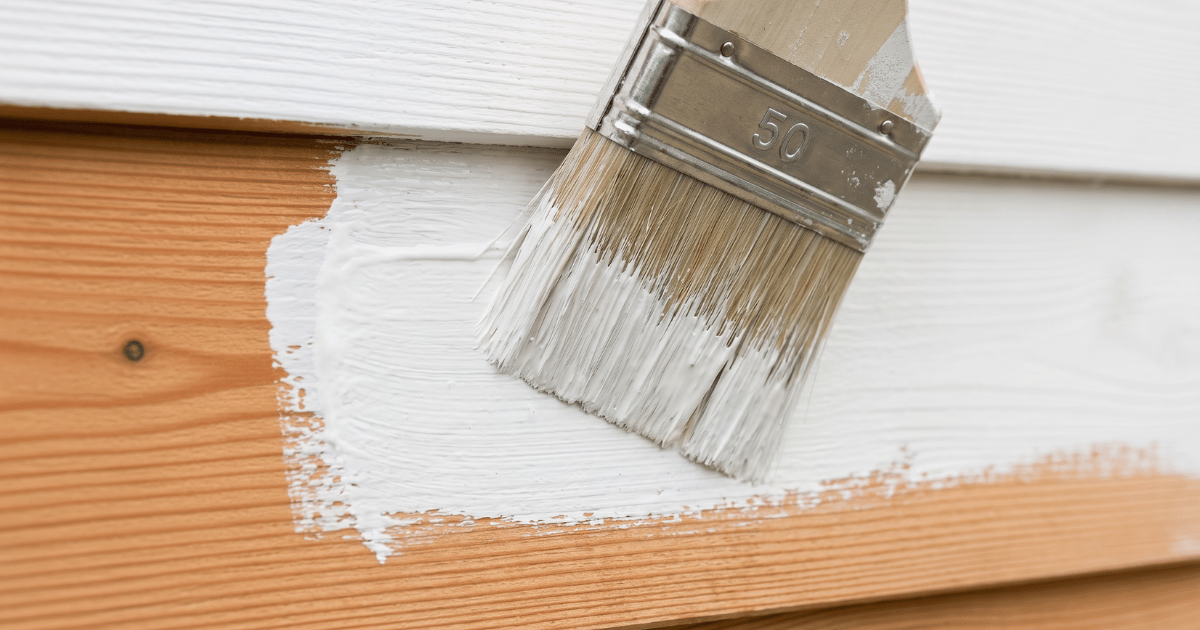
Primer gives paint something solid to hold onto. Without it, paint can soak unevenly into porous surfaces, fail to cover stains, or peel away from slick or glossy areas. A good primer coat is often the difference between a paint job that lasts for years and one that needs touch-ups within months.
What Primer Actually Does
- Improves adhesion. Primer bonds to the surface so the topcoat has something consistent to stick to.
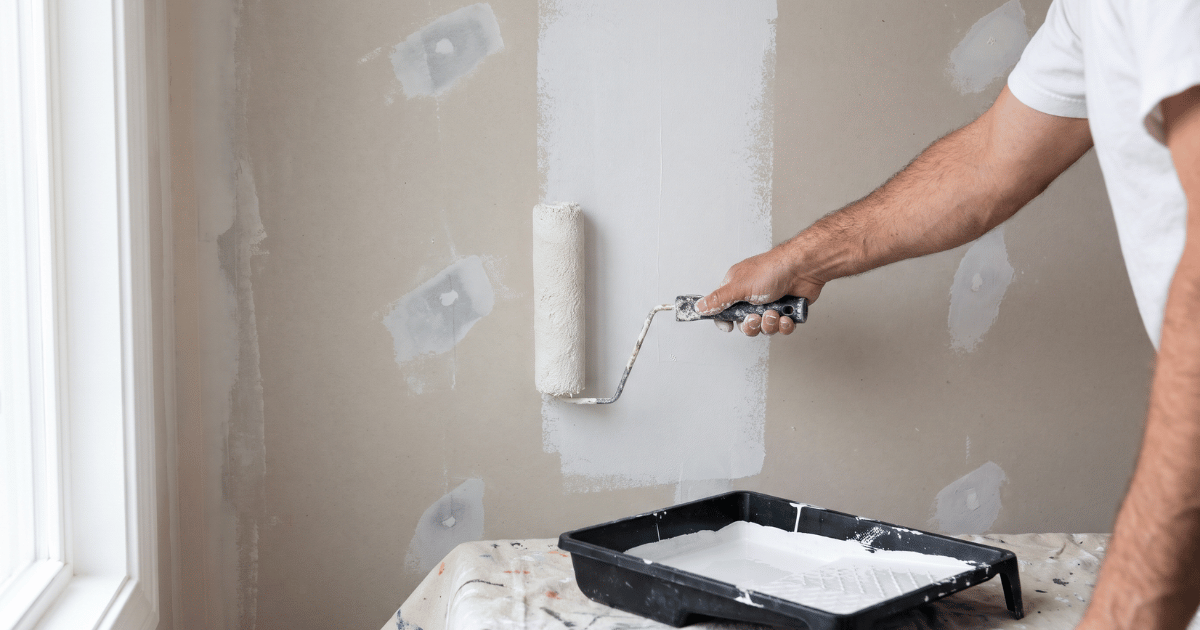
- Seals porous surfaces. Bare wood, new drywall, and patched areas soak up paint unevenly without it.
- Blocks stains. Water stains, smoke marks, and knots in wood can bleed through paint unless primer seals them first.
- Evens out sheen and texture. Patched drywall, old paint, and new material often all look and absorb paint differently. Primer creates one consistent surface underneath.
- Helps true color show through. Dark colors going over light ones, or light colors going over dark ones, cover better and truer with the right primer underneath.
Sherwin-Williams’ guide to choosing primer lists these same core benefits, including “assure adhesion,” “prevent peeling,” and helping homeowners “attain the truest paint color in the fewest coats.”
When Primer Is a Must, Not a Maybe
| Situation | Does It Need Primer? |
|---|---|
| Bare, unpainted wood (interior or exterior trim) | Yes, always |
| New or patched drywall | Yes |
| Big color change (dark to light, or bold to neutral) | Usually, for the best coverage |
| Water stains, smoke marks, or knots in wood | Yes, a stain-blocking primer |
| Glossy surfaces like old trim or cabinets | Yes, with light sanding first |
| Same color repaint, surface in good condition | Often not required |
Can Paint-and-Primer-in-One Replace a Real Primer Coat?
Paint-and-primer-in-one products do include some primer-like resin, and they can be a fine choice for a simple refresh on a surface that is already painted and in good shape. But they are not built to handle the toughest jobs: bare wood, major stains, or a drastic color change. For those situations, a dedicated primer coat still gives the most reliable, longest-lasting result.
Why Skipping Primer Is Risky on Exterior Jobs
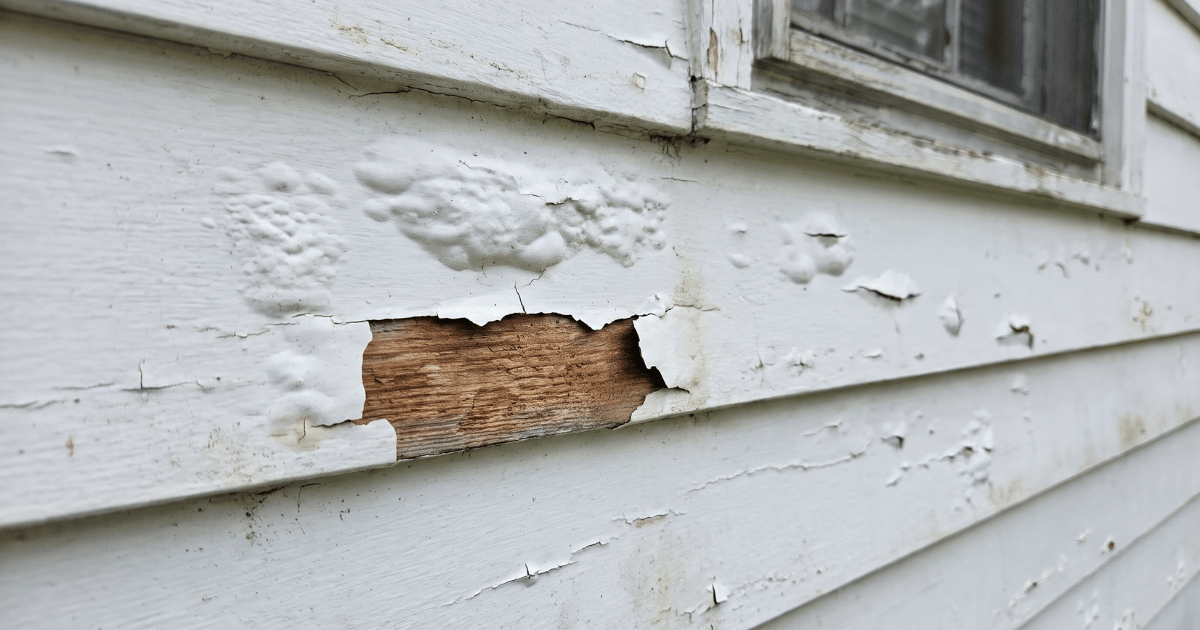
Georgia’s heat, humidity, and heavy rain put real stress on exterior paint. Bare wood that gets painted without primer soaks up moisture unevenly, which can lead to early peeling, blistering, or cracking. This is especially common around repaired wood trim, where fresh, unsealed wood needs a primer coat before any topcoat goes on. Learn more about getting exterior timing right in our guide to fall exterior painting in Snellville.
Primers and other coatings can release fumes while they dry. The U.S. Environmental Protection Agency recommends plenty of fresh air when using products like primer and paint, so open windows or run fans during and after priming, especially indoors.
How to Tell If Your Painter Is Skipping Primer
- Ask which areas of your project will be primed, and why.
- Check that your written estimate actually mentions primer where bare wood, stains, or big color changes are involved.
- Be cautious of a quote that seems unusually fast or cheap for a job that includes lots of bare wood or a dramatic color change, since skipping primer is an easy way to shave time off a bid.
- Ask if the primer will be tinted toward your final color for better coverage.
A painter who explains their priming plan clearly, and puts it in writing, is one you can trust to do the job right the first time.
Why Homeowners Trust Pink Panthers Painting and Flooring
Prep is not an afterthought for us, it is the whole point of Protect. Prepare. Paint. We serve Dunwoody, Snellville, and the greater Atlanta area with:
- Primer used exactly where it is needed, every time, not skipped to save time
- Careful surface prep, including rotted wood replacement and drywall repair before any primer or paint goes on
- A 4-year warranty on exterior painting
- Clear written estimates that spell out every step, prep included
Frequently Asked Questions About Primer
What does primer actually do?
Primer creates a stable, even surface that paint can grip onto. It seals porous materials like bare wood or drywall patches, blocks stains from bleeding through, and helps paint color look truer and more even, often in fewer coats.
Do I always need primer before painting?
Not always, but often. New drywall, bare wood, major color changes (especially dark to light), stained or water-damaged areas, and glossy surfaces usually need primer. Walls that are the same color and in good condition sometimes just need a light coat of paint.
Can I skip primer if I use a paint-and-primer-in-one product?
Paint-and-primer-in-one products have some primer-like resin built in, but they are not a true substitute for a dedicated primer on bare wood, stains, or big color changes. For the toughest surfaces, a separate primer coat still gives the most reliable results.
When is primer required on an exterior paint job?
Exterior primer is especially important on bare or previously unpainted wood, repaired or patched trim, and areas where old paint was scraped down to bare material. Skipping primer on these spots is one of the most common reasons exterior paint fails early.
How do I know if my painter skipped priming?
Ask directly which areas are being primed and why, and expect that answer to show up on your written estimate. If a painter cannot explain their priming plan, or the estimate does not mention primer at all on bare wood or big color changes, that is worth a follow-up question.
Does primer color matter?
Yes. Many primers are tinted toward the final paint color to help it cover in fewer coats. A gray or colored primer under a dark topcoat, or a white primer under a light color, can both improve coverage and true color.
Get a Paint Job That’s Prepped to Last
We never skip the steps that make paint last. Call 470-557-5617 or request your free, honest estimate online.