

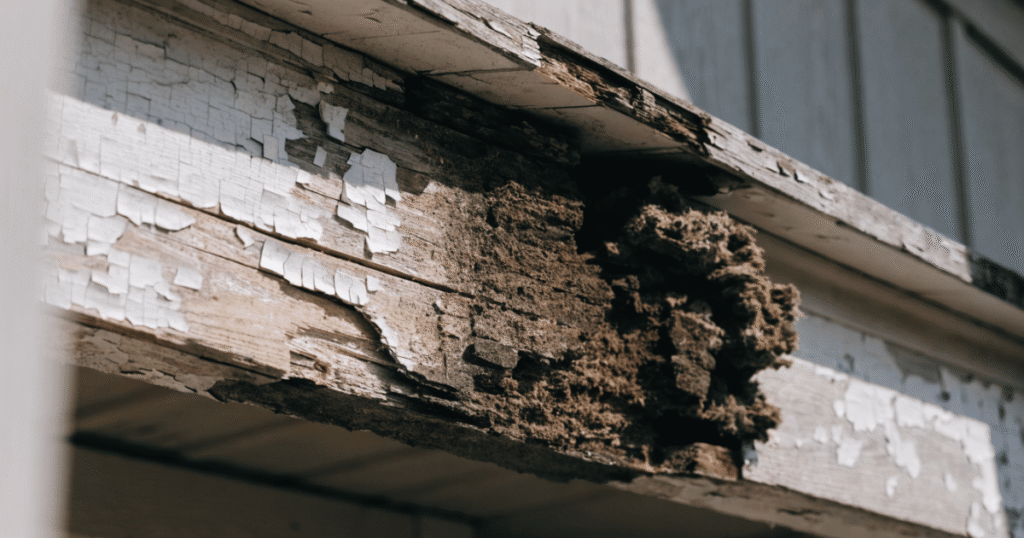
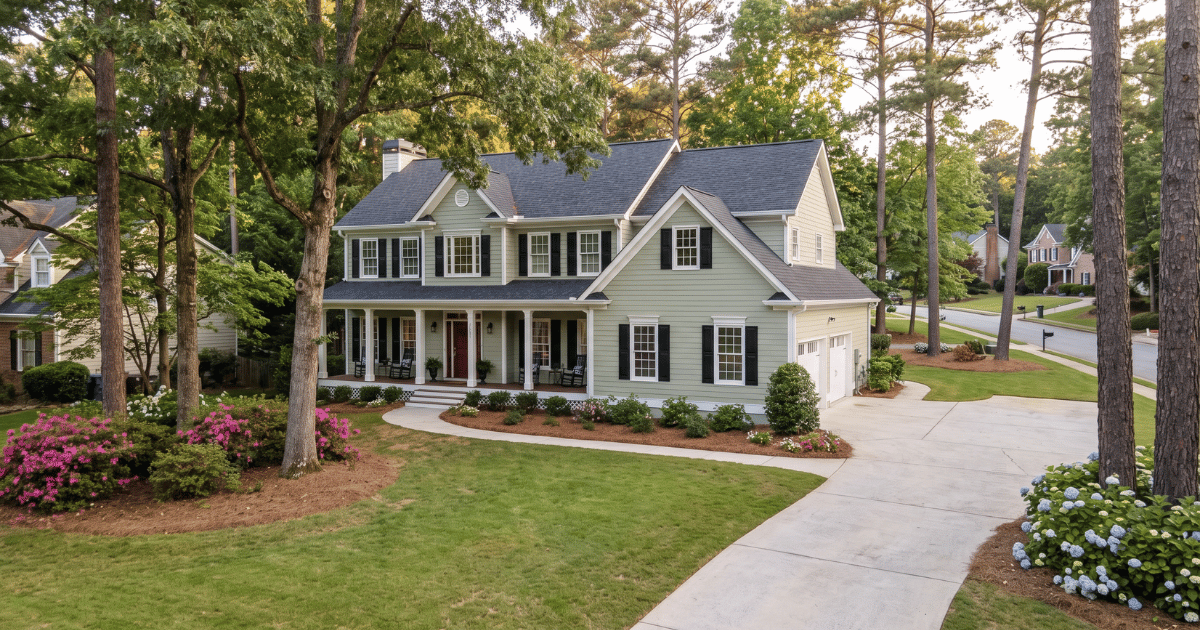
If you’ve noticed peeling paint, soft spots on your trim, or dark stains on your siding — you might have wood rot. It’s one of the most common problems homeowners in Dunwoody and the Atlanta area deal with, especially during our hot, humid summers.
The good news? If you catch it early, wood rot is very fixable. This guide will walk you through how to spot it, what causes it, what the repair process looks like, and how much it typically costs here in the Atlanta area.
What Is Wood Rot?
Wood rot happens when moisture gets into wood and stays there long enough for fungus to grow. That fungus slowly breaks down the wood fibers, making the wood soft, weak, and crumbly over time.
There are two main types of wood rot:
- Wet rot — caused by wood that stays damp. It’s the most common type and usually stays in one area if caught early.
- Dry rot — caused by a specific type of fungus that can spread even into drier wood nearby. It’s more serious and harder to fix.
In the Dunwoody and Atlanta area, wet rot is far more common due to our high humidity levels and heavy spring rains.
How Do I Know If I Have Wood Rot?
You don’t need to be a contractor to spot wood rot. Here are the most common signs to look for:
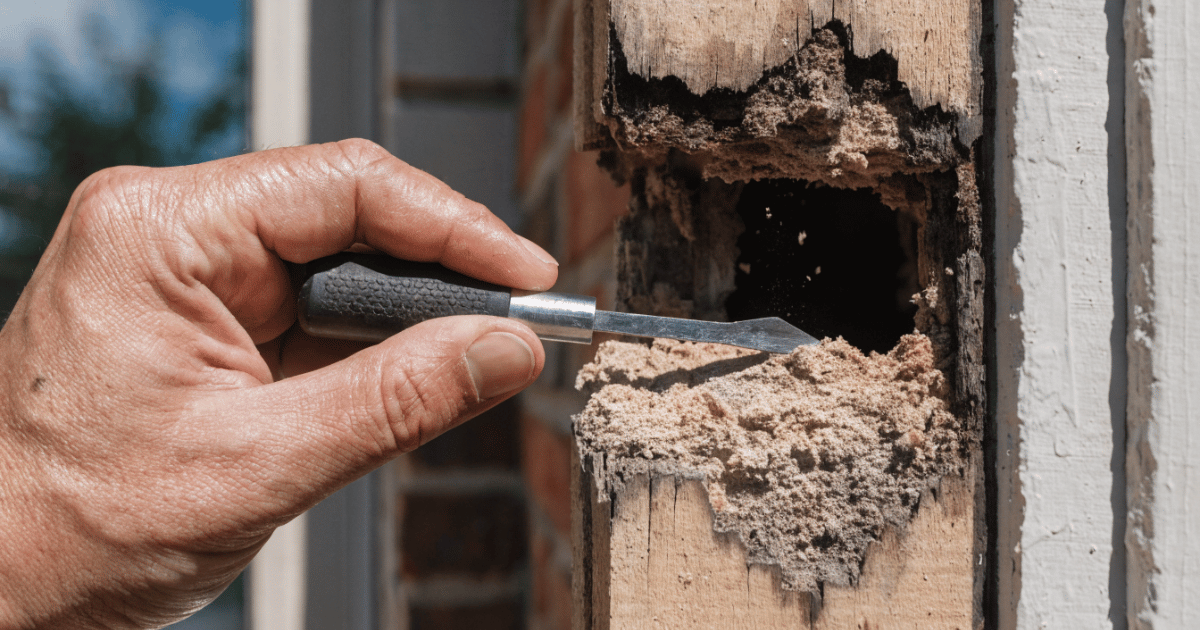
The Poke Test
Take a flathead screwdriver and press it firmly into the wood. Healthy wood is hard — it won’t give. If the screwdriver sinks in easily or the wood feels soft and spongy, that wood is rotting.
The Tap Test
Tap the wood with a hard object like the handle of a screwdriver. Solid wood makes a sharp, firm sound. Rotten wood sounds hollow or dull — almost like you’re tapping on cardboard.
Visual Signs
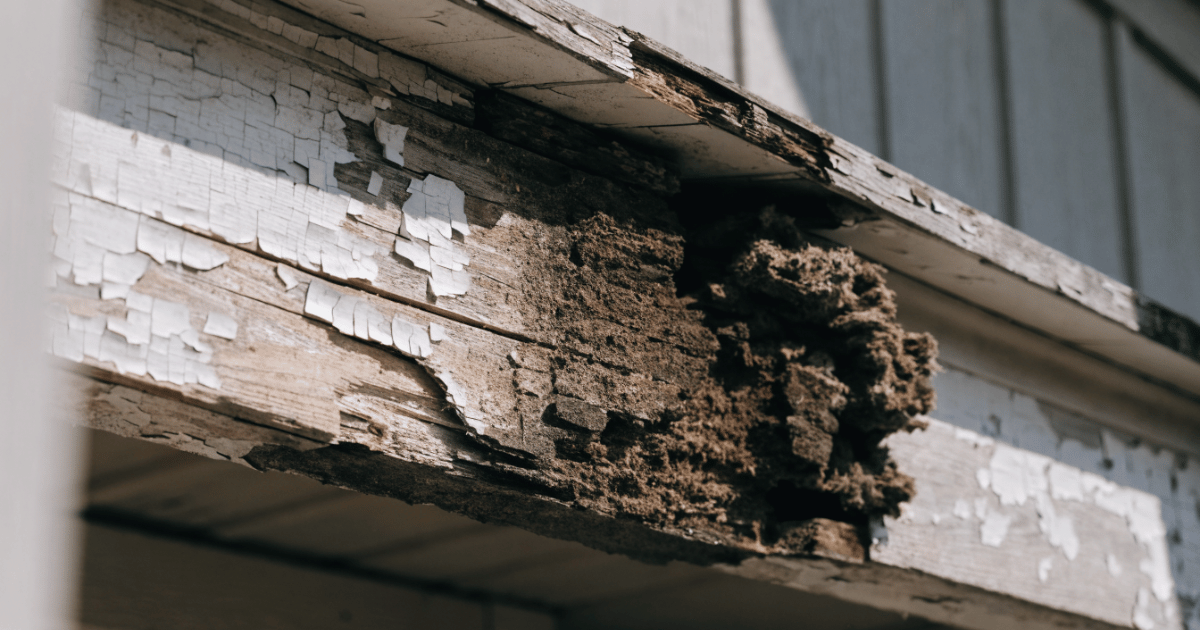
- Paint that is bubbling, peeling, or flaking off
- Wood that looks darker than normal (brown or black discoloration)
- Wood that is warping, cracking, or pulling away from nearby surfaces
- A damp, musty smell near the affected area
- Wood that crumbles or breaks apart in chunks when touched
Where to Look First
Wood rot almost always starts in areas where water can collect or where wood meets the ground, the roof, or another material. The most common spots on Dunwoody homes include:
- Fascia boards (the boards behind your gutters)
- Window sills and door frames
- Exterior trim and baseboards
- Deck boards and posts
- Siding near the ground or near your roofline
- Soffit boards under your roof overhang
What Causes Wood Rot on Atlanta-Area Homes?
Atlanta’s climate creates the perfect conditions for wood rot. Here’s what’s working against your home:
- High humidity — Georgia summers regularly hit 80–90% humidity. That moisture gets into wood and stays there.
- Heavy rain — Atlanta averages over 50 inches of rain per year. Poor drainage or clogged gutters let that water sit against your wood surfaces.
- Temperature swings — The constant shift between hot summers and cool winters causes wood to expand and contract, which cracks paint and caulk and lets moisture in.
- Old or failing paint — Paint is your wood’s first line of defense. When it starts to peel or thin out, moisture gets in fast.
- Clogged gutters — When gutters overflow, water runs directly down your fascia boards and siding.
Can You Paint Over Wood Rot?
This is one of the most common questions we hear — and the honest answer is: no, you should not paint over rotted wood.
Here’s why it doesn’t work:
- Paint won’t stick properly to soft, damaged wood. It will peel and bubble within weeks or months.
- Painting over rot traps moisture underneath, which makes the rot spread faster.
- The fungus causing the rot keeps growing under the paint. You can’t see it, but the damage continues.
- Rotting wood attracts carpenter ants and termites. Covering it with paint doesn’t remove that risk.
Painting over wood rot might look fine for a short time, but it almost always leads to bigger, more expensive problems later. The right move is to fix the rot first — then paint. The same rule applies to drywall — read our guide on drywall repair in Dunwoody to see how we handle interior damage the right way too.
How Is Wood Rot Repaired?
The repair process depends on how bad the rot is. Here’s how professionals approach it:
Step 1 — Inspect the Damage
A professional will check all affected areas using the poke and tap tests. They’ll also look at surrounding areas to make sure the rot hasn’t spread beyond what’s visible.
Step 2 — Remove the Rotted Wood
All soft, damaged wood has to come out. Leaving any rotted material behind means the fungus can keep growing into the new wood.
Step 3 — Treat the Area
After removing the rot, the remaining wood is treated with a liquid wood hardener or rot treatment. This kills any remaining fungus and stabilizes the wood fibers so they won’t keep breaking down.
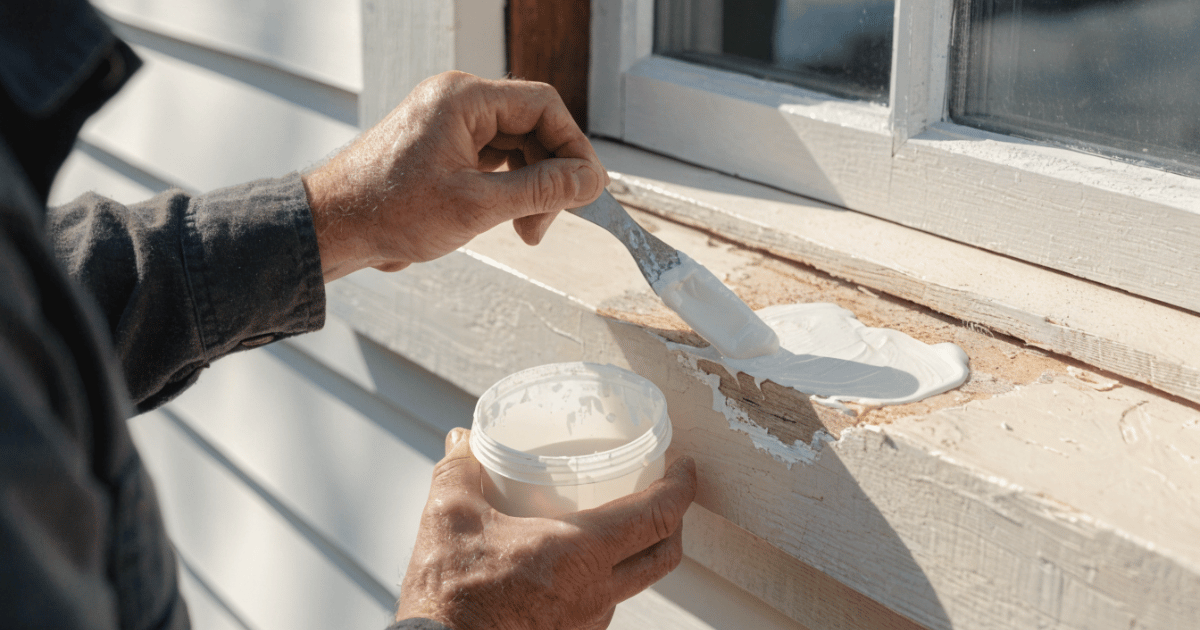
Step 4 — Fill or Replace
For small damaged areas, the void is filled with a two-part wood epoxy filler. This material bonds tightly, resists moisture, and can be shaped and sanded to match the original surface perfectly.
For larger or structural damage — like a fascia board that’s rotted through or a deck post that’s compromised at the base — the wood is completely removed and replaced. In many cases, contractors will use PVC trim or composite materials that won’t rot in the future.
Step 5 — Prime and Paint
Once repairs are complete and fully cured, the area is primed and painted to match the rest of the home. A good primer is critical here — it seals the repaired surface and gives the paint a strong bond so it lasts.
How Much Does Wood Rot Repair Cost in Atlanta?
According to Angi’s 2026 cost data, dry rot repair typically costs between $500 and $3,000 depending on the size and severity of damage. The cost of wood rot repair in the Atlanta area depends on three main things: where the rot is, how much wood is affected, and whether it’s just surface damage or structural damage.
Here are the typical cost ranges for homeowners in Dunwoody and metro Atlanta:
| Type of Repair | Typical Cost Range | Examples |
|---|---|---|
| Minor spot repairs | $200 – $500 | Window sill, small trim section, door frame edge |
| Moderate section repairs | $500 – $1,500 | Fascia board replacement, several siding boards, deck section |
| Extensive or structural repairs | $1,500 – $5,000+ | Multiple fascia/soffit runs, deck posts, floor joist damage |
Most standalone wood rot repair jobs in the Atlanta area fall somewhere between $500 and $1,400 for average-sized projects. If the rot has reached structural wood like floor joists or roof framing, costs can go higher.
One important note for Atlanta homeowners: our climate means wood rot often comes with a moisture problem underneath. If water is pooling, gutters are overflowing, or caulk around windows has failed — those issues need to be fixed at the same time, or the rot will come back.
Should I Repair or Replace the Wood?
This is a judgment call that depends on how bad the damage is. Here’s a simple way to think about it:
- Repair — If the rot is surface-level, limited to a small area, and the wood underneath is still solid, epoxy filler is a great option. It’s less expensive and works well for trim, window sills, and small siding sections.
- Replace — If the rot goes deep, if the wood crumbles when you press it, or if a structural piece is affected (deck post, floor joist, rafter), replacement is the right call. It’s also worth replacing if the same area has rotted more than once — that’s a sign the moisture source hasn’t been fixed.
When in doubt, get a professional opinion. A good contractor will tell you honestly which approach makes sense for your situation — and the answer isn’t always the more expensive one.
How to Prevent Wood Rot on Your Home
The best wood rot repair is the one you never need. Here’s how to protect your home:
- Keep your gutters clean — Clogged gutters overflow and run water directly down your fascia and siding. Clean them at least twice a year.
- Repaint on schedule — Exterior paint should be refreshed every 7–10 years. Don’t wait until it’s peeling — by then, moisture has already been getting in.
- Caulk around windows and doors — Gaps in caulk are one of the fastest ways for moisture to enter. Inspect and re-caulk as needed, usually every few years.
- Trim trees and shrubs back — Branches and leaves that touch your home keep that area damp and shaded, which speeds up rot.
- Control moisture inside and out — The EPA recommends drying any water-damaged areas within 24–48 hours to stop fungal growth before it starts.
- Get a yearly exterior inspection — A quick annual check of your fascia, sills, siding, and trim can catch problems early, when they’re still cheap to fix.
Pink Panthers Painting Handles Wood Rot Repair in Dunwoody
At Pink Panthers Painting, we don’t just paint over problems — we fix them first. Before any paint goes on your home, we inspect all exterior wood surfaces and identify any rot, damage, or moisture issues.
If we find rot, we handle the repair and the paint in one job. Same crew, one quote, no coordinating multiple contractors. Check out our full list of painting and repair services — we serve homeowners throughout Dunwoody, Atlanta, Peachtree Corners, Sandy Springs, Johns Creek, and surrounding communities.
📞 Call us at (470) 557-5617 or request a free estimate online. We’ll come take a look and give you a clear, honest quote — no pressure.
Frequently Asked Questions About Wood Rot Repair
How do I know if I have wood rot?
The easiest way to check is the poke test. Press a screwdriver firmly into the wood — if it sinks in easily or the wood feels soft and spongy, that wood is rotting. You can also look for peeling paint, dark discoloration, a musty smell, or wood that crumbles when touched. Common spots to check are window sills, fascia boards, door frames, and deck posts.
Can you paint over rotted wood?
No — painting over rotted wood is one of the most common mistakes homeowners make. Paint won’t stick properly to damaged wood, it traps moisture underneath, and the rot continues to spread behind the surface. The wood has to be repaired or replaced first. Then it can be primed and painted.
How much does wood rot repair cost in Atlanta?
Most wood rot repair jobs in the Atlanta and Dunwoody area cost between $200 and $1,500 for surface-level or moderate repairs. Larger structural repairs — like rotted floor joists, deck posts, or multiple fascia runs — can range from $1,500 to $5,000 or more. The best way to get an accurate number is to have a professional look at it in person.
What causes wood rot on homes in Georgia?
Georgia’s high humidity, heavy rainfall, and temperature swings create ideal conditions for wood rot. The most common causes are moisture getting behind old or peeling paint, clogged gutters letting water run down siding and fascia, gaps in caulk around windows and doors, and wood that stays damp due to poor drainage or overgrown landscaping.
How long does wood rot repair take?
Most small to moderate wood rot repairs take one to two days. Larger jobs that involve replacing multiple sections of fascia, siding, or structural wood may take two to four days. If the repair is being done as part of a full exterior paint job, it all gets done at the same time — so you’re not waiting on multiple visits.
Will wood rot come back after it’s repaired?
It can — but only if the moisture problem that caused it isn’t fixed at the same time. Wood rot is a symptom of a moisture issue. If the gutters still overflow, the caulk is still cracked, or the drainage around your foundation hasn’t been addressed, new rot can develop in the same or nearby areas. A good contractor will identify and address the moisture source as part of the repair.
Can epoxy filler be used instead of replacing the wood?
Yes, for surface-level damage in non-structural areas. A two-part wood epoxy filler bonds tightly to the surrounding wood, resists moisture, and can be shaped and painted to look just like the original material. It’s a great option for window sills, trim, and small sections of siding. For structural wood or boards that are rotted through, full replacement is the right call.
Do I need to fix wood rot before painting my house?
Yes — always. If rotten wood gets painted over, the paint will fail quickly and the rot underneath will keep spreading. Any wood rot should be repaired before primer or paint goes on. At Pink Panthers Painting, we inspect for rot as part of our standard prep process and include repairs in the same project.